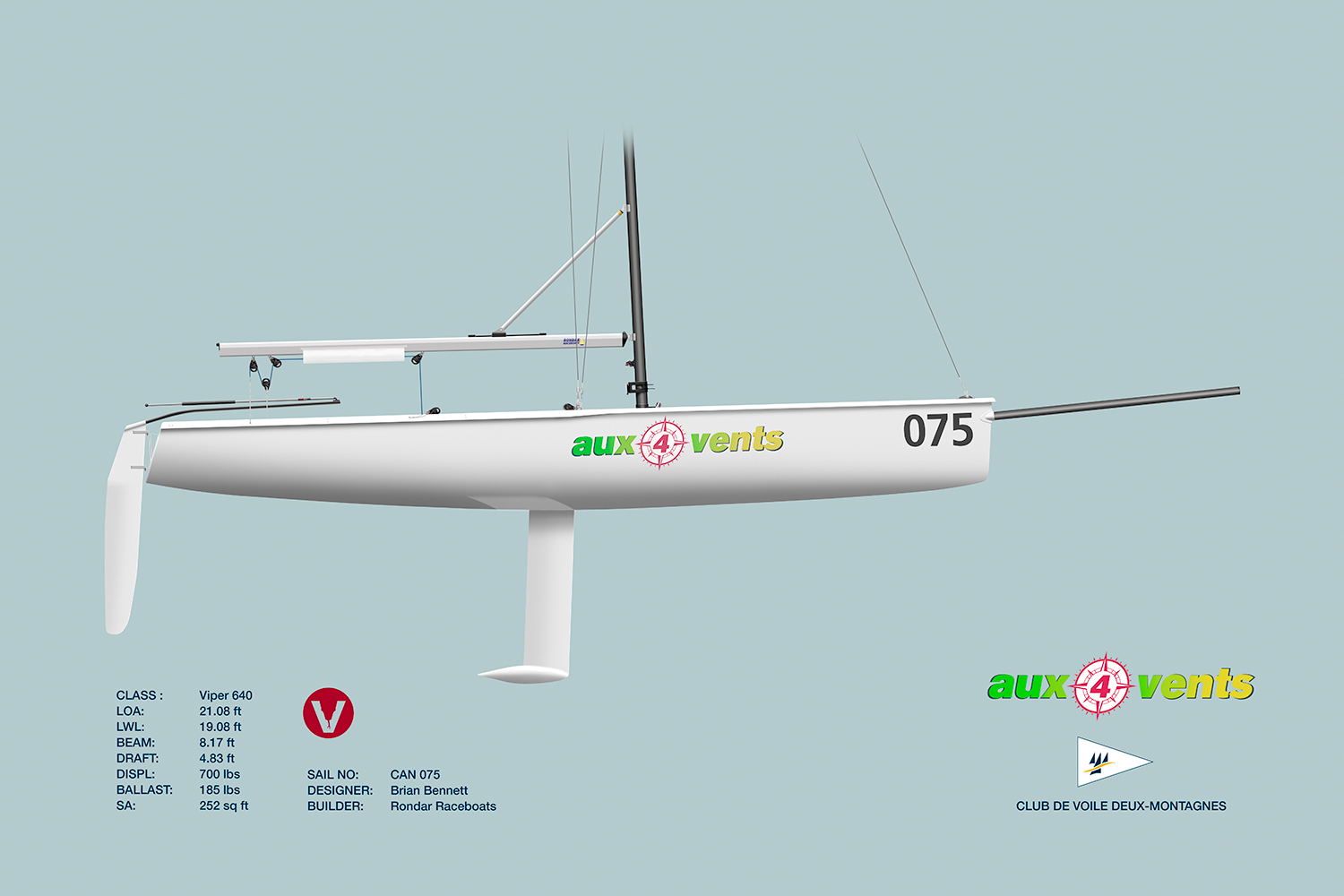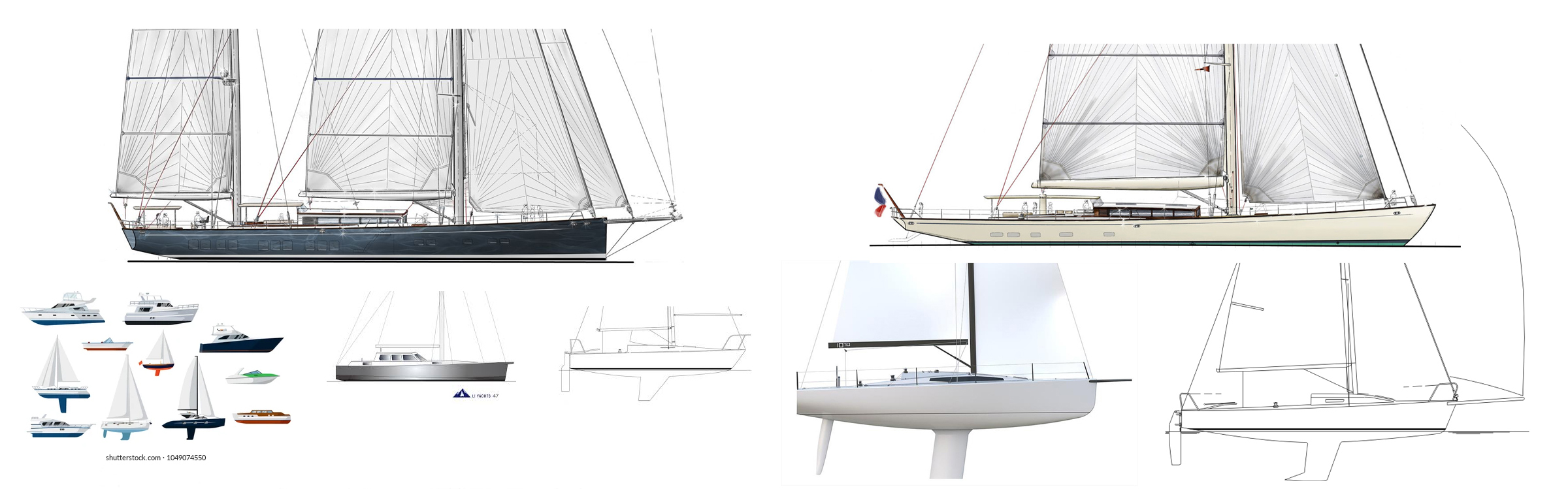
Many sailboat profiles exist online or can be generated, but they’re mostly generic. We wanted to elevate the experience by illustrating your boat — its exact rig, mast, boom, mainsheet, ratchet blocks, winches, etc… and even its scars.
Many have asked how the sailboat drawings were created. Here’s a brief overview of the techniques behind the final image.
- Collect as many images as possible of the sailboat and its details to serve as references. Take your own photos and explore online sources to collect as much information as you can.
- Using the photos as reference and tools such as ChatGPT – Image Analyzer and Topaz Labs we redraw the needed parts to scale in Adobe Photoshop and/or Illustrator and make sure everything is positioned exactly where it should be.
Example:


For parts where the photos don’t provide enough information, we research online—using manufacturer websites such as Harken, Ronstan, Allen, Lewmar, and others.
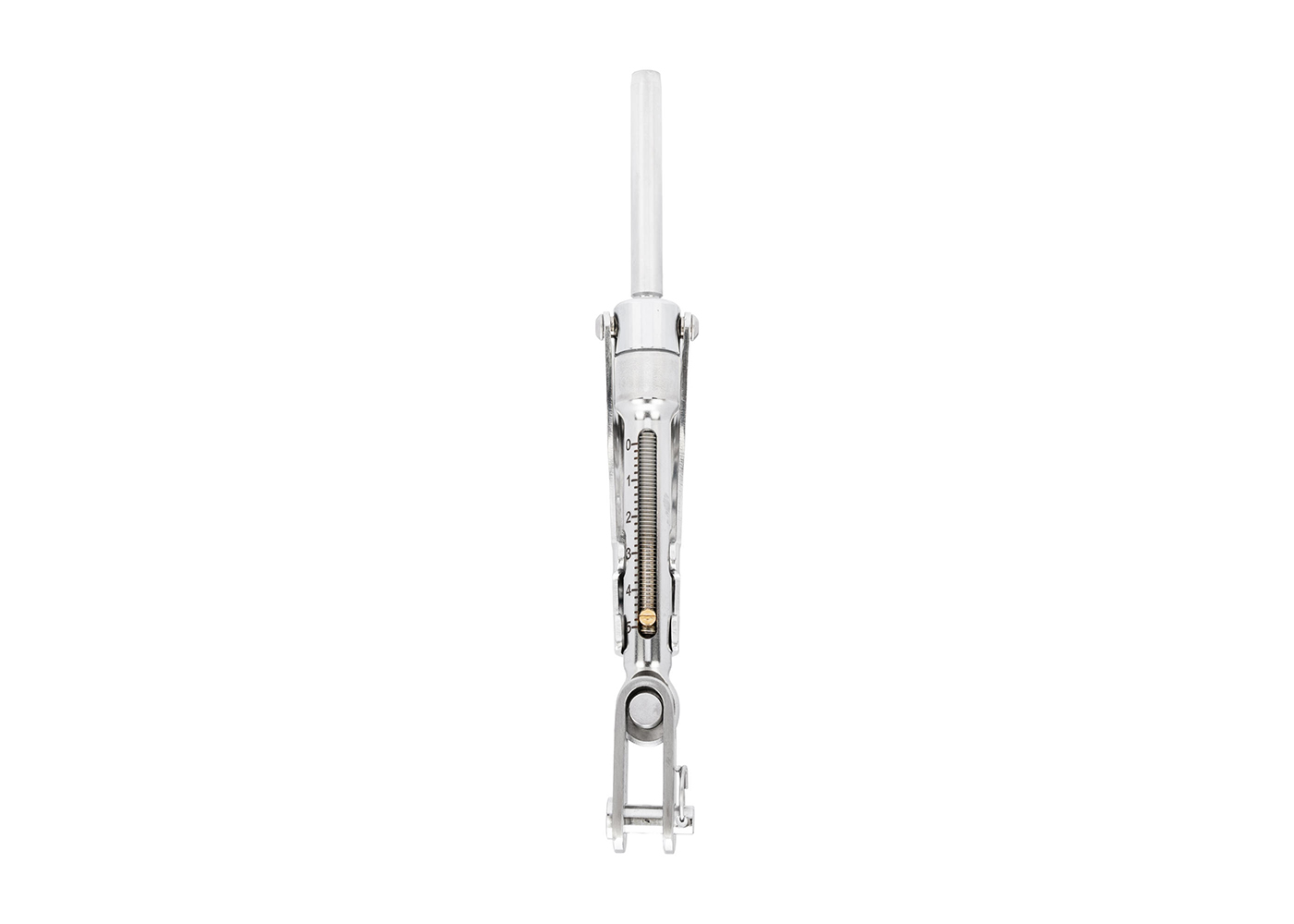
From that point on, the part is carefully redrawn in Photoshop and/or Illustrator to bring the image to its final form.
When the ideal image isn’t available online and no direct photos of the needed part exist, we rely on AI to redraw it as accurately as possible using an existing image from another angle.
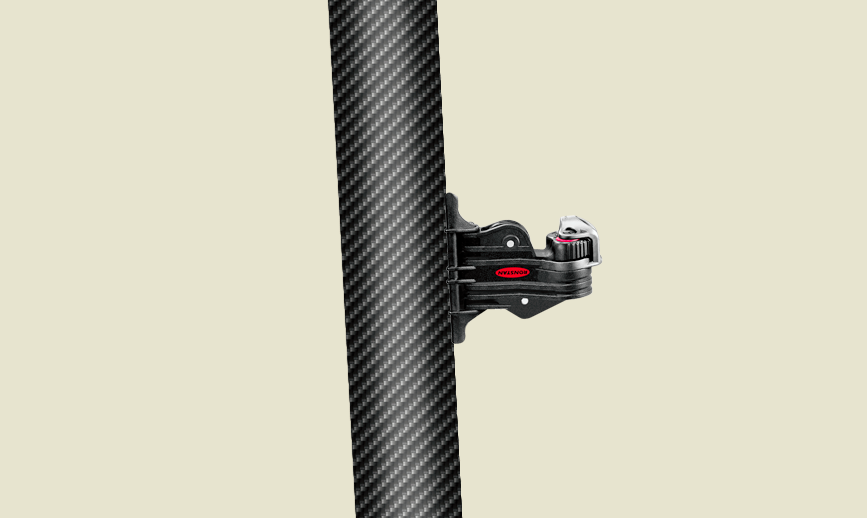
Here, the spinnaker halyard cleat was sourced from the Ronstan website. The image was uploaded into ChatGPT Image Analyzer to redraw the part from the specific angle needed.

Prompt and Result from ChatGPT Image Analyzer:

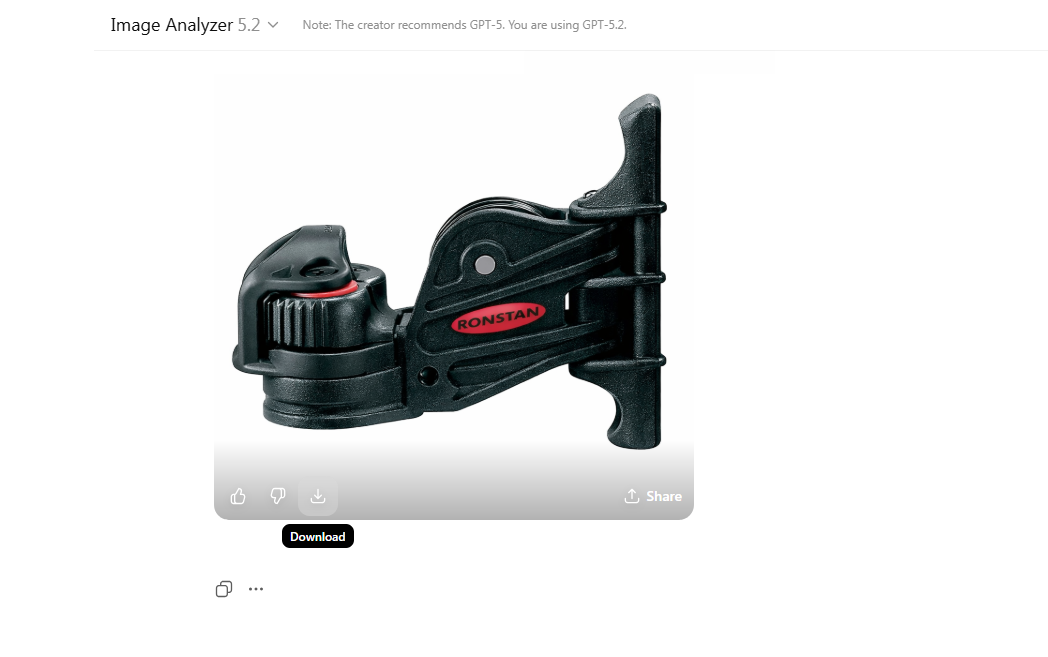
Using the image provided by ChatGPT Image Analyzer, the final part is redrawn in Adobe Photoshop and/or Illustrator to achieve the desired result.
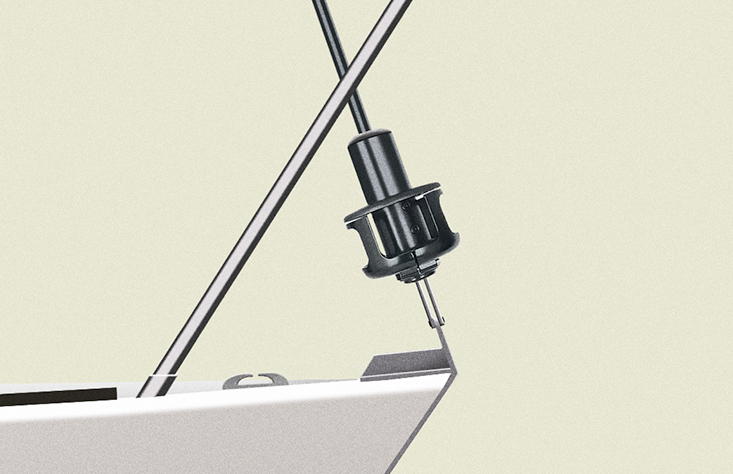
The same process was used for the roller furling system on this J29:
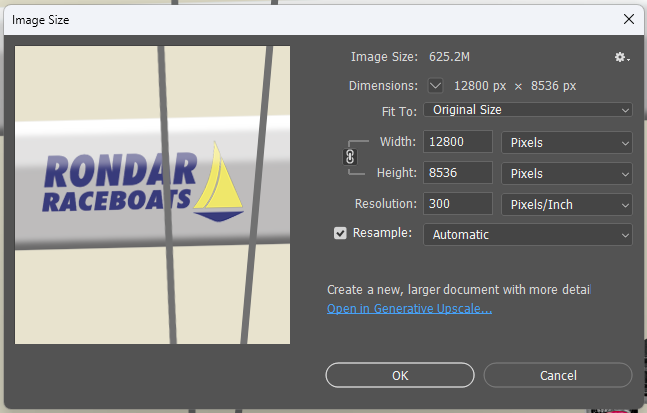
With a final size of 12,800 × 8,536 pixels at 300 pixels per inch, in a 16-bit ProPhoto RGB color environment, the resulting prints are truly exceptional, delivering rich colors and precise, smooth details.
Once every part is properly assembled, texture is added, shadows and highlights are corrected and final touch-ups are made to ensure a realistic look in the final image without making it look like a photograph. The secret ingredients in this recipe… time and patience!